
Understanding the psychological traps of gambling behavior
The Allure of Gambling
Gambling often attracts individuals with its promise of excitement, quick wins, and the thrill of risk. The anticipation of winning can activate pleasure centers in the brain, leading to a euphoric rush that encourages continued play. This allure can create a psychological trap where players find themselves drawn back repeatedly, despite the risks involved. Many enthusiasts are exploring online pokies as a popular option during their gaming adventures.
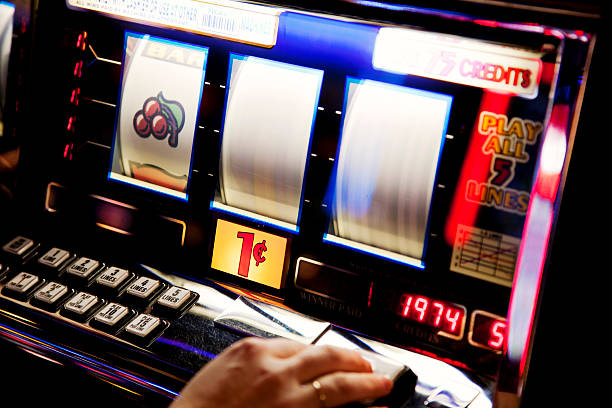
The social aspect of gambling, whether in a casino or online, can amplify these feelings. Players often engage in discussions about strategies and wins, further embedding themselves in the culture of gambling. This social reinforcement can make it difficult for individuals to recognize when their behavior may be becoming problematic.
Cognitive Biases in Gambling
Cognitive biases are systematic patterns of deviation from norm or rationality in judgment. In gambling, players often fall victim to the “gambler’s fallacy,” the belief that past events influence future outcomes. For example, after a series of losses, a player may feel that a win is due, leading to increased betting and further losses.
Another common cognitive bias is the illusion of control, where players believe they can influence the outcome of games based on skill or strategy. This misconception can lead to reckless betting and poor financial decisions, as individuals underestimate the inherent randomness in gambling activities.
The Role of Near Misses
Near misses, such as when a player comes close to winning but ultimately loses, can be particularly deceptive. These situations can trigger emotional responses similar to winning, reinforcing the desire to keep playing. This false sense of achievement can trap players into a cycle of gambling, believing that success is just around the corner.
Research shows that near misses can increase the amount of time and money a player invests in games, as they become convinced that they are on the brink of winning big. This trap can lead to devastating financial consequences, as players chase losses driven by the desire to overcome their recent setbacks.
The Impact of Environmental Cues
The environment in which gambling occurs can significantly influence behavior. Casinos and online gambling platforms are designed to be stimulating, with bright lights, exciting sounds, and enticing visuals. These elements create an immersive experience that can cloud judgment and promote extended play.
Additionally, the presence of social interactions, such as friends cheering for a win or sharing stories of luck, can further entrap individuals in gambling behavior. These environmental cues can make it challenging to step back and assess the situation objectively, leading to increased time and money spent in pursuit of that next win.
Discovering Responsible Gaming Resources
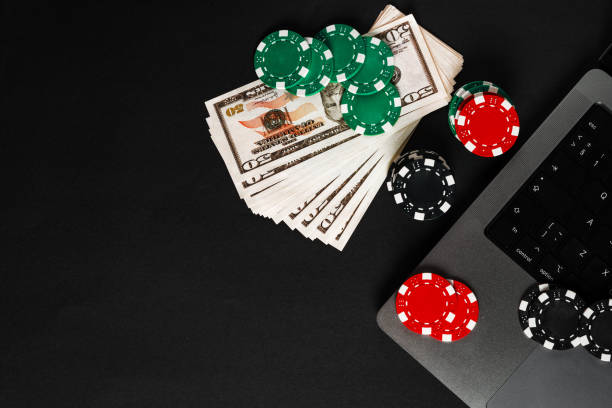
For those navigating the complex world of gambling, understanding these psychological traps is essential. Resources are available to help individuals recognize problematic behaviors and develop strategies for responsible gaming. Websites dedicated to responsible gambling offer valuable insights, tools, and support for those who might feel overwhelmed.
By focusing on education and awareness, players can make informed choices that enhance their gaming experience without falling into traps. Exploring platforms that provide comprehensive reviews and insights can empower individuals to enjoy gambling responsibly while minimizing the risks associated with addictive behaviors.